

So, what exactly defines California cuisine these days? In a nutshell, it’s a vibrant, ever-evolving culinary landscape deeply rooted in fresh, local ingredients, a nod to global influences, and an emphasis on healthy, often lighter preparations. Think beyond just kale salads and avocado toast; it’s about innovative dishes that reflect the state’s diverse agricultural bounty and its adventurous spirit. We’re talking about food that tastes great, feels good, and often tells a story about where it came from.
The Essence of California on a Plate
California cuisine isn’t a static concept; it’s a living, breathing culinary philosophy that has gracefully matured over the decades. While its roots can be traced back to the emphasis on fresh, seasonal ingredients popularized in the 1970s and 80s, today’s interpretation is much more sophisticated and nuanced. It’s about leveraging the state’s incredible agricultural diversity – from the fertile Central Valley to the Pacific Coast and everything in between – to create dishes that are both innovative and deeply satisfying. You’ll find a strong emphasis on sustainability, often showcasing ethically sourced produce, seafood, and meats. Beyond just the ingredients, there’s a lightness in preparation, a desire to let the natural flavors shine through without heavy sauces or excessive richness. It’s a cuisine that encourages creativity and constant evolution, drawing inspiration from the state’s diverse population and its global connections.
Beyond the Stereotypes: What California Cuisine Truly Means
Forget the old clichés of sprout sandwiches and juice cleanses. While healthy eating is certainly a component, modern California cuisine is far more complex and delicious. It’s about balance, flavor, and a respectful approach to ingredients. You’ll see influences from Mexican, Asian, and Mediterranean cooking, all seamlessly woven into a distinctively Californian fabric. Think about a dish that combines vibrant, locally grown heirloom tomatoes with a drizzle of artisanal olive oil, fresh herbs, and perhaps a whisper of something umami from an Asian pantry – that’s the spirit we’re talking about. It’s not about fusion for fusion’s sake, but rather an intelligent integration of flavors that enhance the primary ingredients.
The Ingredient-Driven Philosophy
At its heart, California cuisine is profoundly ingredient-driven. Chefs here are often in direct communication with farmers, knowing exactly where their produce comes from, who grew it, and how it was cultivated. This farm-to-table ethos isn’t just a trend; it’s a foundational principle. The climate allows for year-round access to an astonishing array of fruits, vegetables, and herbs, leading to menus that shift with the seasons, sometimes even weekly. This focus means dishes are often designed to highlight a star ingredient – a perfect peach, a tender piece of grilled fish, or a vibrant bunch of greens – allowing its natural excellence to be the focal point. This approach yields food that is inherently fresh, flavorful, and incredibly vibrant.
California cuisine is known for its emphasis on fresh, local ingredients and a fusion of diverse culinary traditions. A related article that explores the vibrant culinary landscape of California is available at this link: Cuba Cohort. This article delves into the influences of various cultures on California’s food scene, highlighting how the state’s unique agricultural bounty shapes its culinary identity.
A Taste of Today: Defining Dishes
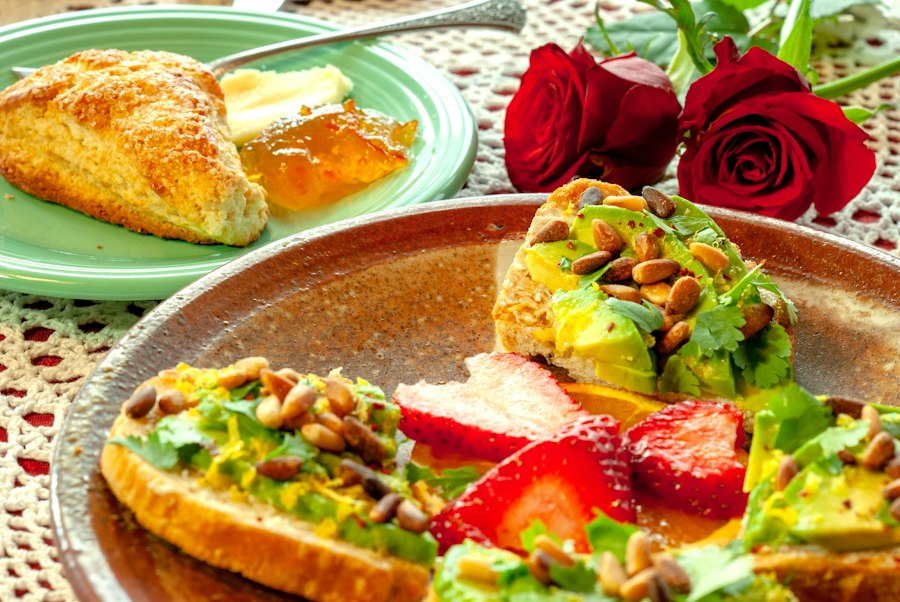
These dishes aren’t just popular; they represent the ongoing evolution of California cuisine, showcasing its adaptability, its respect for ingredients, and its global leanings. They are often found on menus ranging from casual cafes to upscale dining establishments across the state, reflecting a broad appeal.
- Avocado Toast, Elevated.
Yes, we know, “avocado toast” might sound like a tired cliché, but in California, it’s a staple that chefs constantly reimagine and perfect. It’s not just smashed avocado on white bread; it’s an art form. Imagine thick-cut, artisanal sourdough, perfectly toasted to a golden crisp. The avocado itself is often chosen for its peak ripeness, seasoned simply with flaky sea salt and freshly cracked black pepper. Then come the thoughtful additions: maybe a drizzle of high-quality olive oil, a sprinkle of everything bagel seasoning, or thinly sliced radishes for a peppery crunch. Some versions go further with pickled red onions, a dollop of chili crunch, a soft-boiled egg, or even delicate microgreens. It’s about highlighting the creamy richness of the avocado with contrasting textures and subtle flavor enhancers, turning a simple concept into a sophisticated and satisfying bite that embodies fresh, healthy, and delightful.
- Wood-Fired Pizza with Hyper-Seasonal Toppings.
Forget your average pepperoni; California’s pizza scene is a vibrant testament to local ingredients and artisanal techniques. The foundation is often a perfectly charred, chewy-crisp crust from a high-heat wood-fired oven, providing a smoky depth. The toppings are where California cuisine truly shines. You might find pizzas adorned with thinly sliced, farm-fresh figs and prosciutto, or roasted delicata squash with sage and brown butter. Wild mushrooms gathered from local forests, peak-season cherry tomatoes bursting with sweetness, or even unconventional combinations like nettles and lemon zest are common. The key is balance – not overloading the crust but letting a few high-quality, seasonal ingredients sing. It’s a perfect illustration of how a globally beloved dish can be distinctly Californian through its ingredient choices and execution.
- Grilled Fish Tacos with Innovative Salsas.
Fish tacos have been a SoCal staple for decades, but today’s versions have evolved beyond simple fried fish and cabbage. The focus is now on perfectly grilled or pan-seared sustainable white fish (think cod, mahi-mahi, or rockfish) in warm, often handmade, corn tortillas. What sets them apart are the vibrant, imaginative salsas and accompaniments. Gone are the days of just pico de gallo; instead, you’ll encounter roasted corn salsa with poblanos, tangy pineapple-habanero salsa, creamy avocado crema, or a spicy jalapeño aioli. Pickled red onions, crunchy slaw made with jicama, or even a sprinkle of cotija cheese and fresh cilantro elevate these handheld delights into a truly gourmet experience that speaks to California’s Mexican culinary influences and its love for fresh seafood.
- Farm-to-Table Salad, Deconstructed.
This isn’t just a bowl of mixed greens. A modern California farm-to-table salad is often a thoughtfully composed dish where each ingredient has a purpose. Think of it as a canvas for the season’s best produce. You might see perfectly ripe heirloom tomatoes arranged with tender local burrata, fresh basil, and a drizzle of exquisite balsamic glaze. Or perhaps crisp Little Gem lettuce leaves artfully plated with roasted root vegetables, candied pecans, crumbled goat cheese, and a light citrus vinaigrette. The “deconstructed” aspect often means ingredients are presented in a way that highlights their individual beauty and flavor, allowing diners to appreciate each component before combining them. It’s a testament to the quality of the raw ingredients and the chef’s skill in pairing complementary flavors and textures.
- Globally-Inspired Grain Bowls.
Embodying both health-consciousness and global influence, grain bowls are a cornerstone of modern California casual dining. These aren’t just haphazard collections of ingredients; they’re meticulously built, balanced meals. A base of ancient grains like farro, quinoa, or freekeh provides a hearty foundation. On top, you’ll find an array of colorful, often roasted or sautéed, seasonal vegetables – think sweet potatoes, Brussels sprouts, broccoli, or bell peppers. Protein components might include grilled chicken, spiced chickpeas, perfectly seared salmon, or marinated tofu. The magic often lies in the sauces and toppings: a creamy tahini dressing, a spicy gochujang vinaigrette, a bright chimichurri, or a sprinkle of toasted seeds and fresh herbs. Each element contributes texture, flavor, and nutritional value, making for a satisfying and vibrant meal.
Creative Twists on Classics
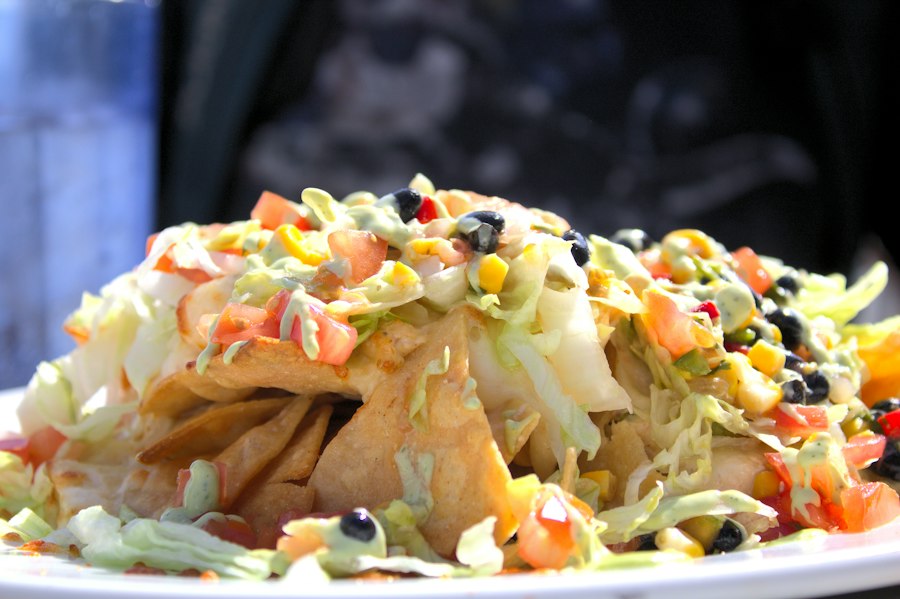
California cuisine thrives on innovation, taking familiar concepts and injecting them with a fresh, often healthier, and always delicious perspective. It’s about respecting tradition while fearlessly experimenting with new flavors and techniques.
- Artisanal Burger with Unique Toppings and Locally Baked Bun.
The humble burger gets a significant upgrade in California. It starts with high-quality, often grass-fed, locally sourced beef, ground in-house for optimal flavor and texture. The bun is rarely an afterthought; expect brioche, ciabatta, or a pretzel bun from a local bakery, perfectly toasted. The toppings are where the creativity truly explodes: caramelized onions, house-made aioli (truffle, roasted garlic, or jalapeño), artisan cheeses like aged cheddar or creamy blue, and peak-season produce such as heirloom tomato slices or peppery arugula. Sometimes you’ll even see additions like avocado, a fried egg, or even a smear of fig jam, turning a simple burger into a gourmet experience that still feels approachable and deeply satisfying. It’s an American classic reimagined through a Californian lens.
- Deconstructed Sushi Rolls / Poke Bowls.
While sushi rolls are a timeless delight, California’s innovative spirit has led to the popularization of poke bowls and deconstructed sushi. These dishes take the fresh, high-quality seafood and vibrant ingredients of traditional sushi and present them in a more casual, customizable format. Poke bowls typically feature diced, marinated raw fish (often tuna or salmon) served over a bed of rice, adorned with a colorful array of toppings like avocado, edamame, seaweed salad, cucumber, pickled ginger, and often a spicy mayo or soy-based dressing. Deconstructed sushi offers similar elements arranged artfully on a plate, allowing for a build-your-own experience that emphasizes freshness and individual preference without the precise rolling technique. They highlight California’s access to incredible seafood and its embrace of Asian culinary traditions.
Sweet Endings and Global Influences
Even desserts and brunch items reflect the dynamic nature of California cuisine, incorporating fresh produce and a global pantry of flavors.
- Seasonal Fruit Tart with Cornmeal Crust.
Moving away from heavy, overly sweet desserts, California excels in elegant, fruit-forward creations. A seasonal fruit tart is a perfect example. The crust is often a flaky, tender cornmeal or almond flour base, offering a subtle texture and nutty flavor that complements the fruit without overwhelming it. The filling is usually a light pastry cream or créme fraîche. The real stars are the fresh, peak-season fruits: berries in summer, stone fruits in late summer, apples or pears in fall, often glazed simply to enhance their natural beauty and sweetness. It’s a dessert that feels light, refreshing, and truly celebrates the state’s agricultural bounty, embodying the healthy-ish and vibrant spirit of California dining.
- Chilaquiles with California Flair.
A beloved Mexican breakfast dish, chilaquiles have found a comfortable and creative home in California. While the traditional fried tortilla chips simmered in salsa remain, the Californian interpretation often elevates the experience with higher quality ingredients and thoughtful additions. Expect house-made tortilla chips, robustly flavored, often roasted, salsas (verde or roja, sometimes smoky chipotle), and a choice of premium proteins like slow-cooked carnitas, perfectly grilled steak, or even tender shredded chicken. The eggs are typically local and free-range, cooked to your preference. Garnishes go beyond simple cheese and crema, including fresh avocado slices, pickled onions, cotija cheese, and an abundance of fresh cilantro, making for a hearty, flavorful, and deeply satisfying brunch dish that reflects the state’s rich Hispanic heritage.
- Kimchi Fried Rice with Poached Egg and Local Vegetables.
This dish beautifully showcases California’s ability to weave global flavors into its culinary tapestry, particularly from Asian influences. Taking a classic Korean comfort food, California chefs adapt it with a focus on high-quality, local ingredients. The foundation is perfectly cooked rice stir-fried with tangy, fermented kimchi, often with bacon or pork belly for depth of flavor. What makes it distinctively Californian are the additions: a perfectly poached (or sometimes fried) farm-fresh egg, whose runny yolk creates a rich sauce; and an abundance of seasonal, lightly sautéed or pickled local vegetables, perhaps some asparagus, snap peas, or specialty mushrooms. A sprinkle of fresh scallions and sesame seeds completes this dish, offering a harmonious blend of spicy, savory, and fresh elements.
California cuisine is renowned for its emphasis on fresh, local ingredients and a fusion of diverse culinary traditions. This innovative approach has not only shaped the dining landscape in California but has also influenced food trends across the globe. For those interested in exploring the cultural connections between different cuisines, a fascinating article can be found here, which delves into the interplay of Japanese flavors and techniques within California’s culinary scene. This blend of influences showcases how California cuisine continues to evolve and inspire chefs worldwide.
The Future of California’s Plate
| Metric | Value | Description |
|---|---|---|
| Origin Year | 1970s | Decade when California cuisine emerged as a distinct culinary style |
| Key Ingredients | Fresh local produce, seafood, herbs, nuts | Common ingredients emphasizing freshness and locality |
| Popular Techniques | Grilling, roasting, raw preparations | Cooking methods highlighting natural flavors |
| Influences | French, Asian, Mexican, Mediterranean | Cultural cuisines that have shaped California cuisine |
| Notable Chefs | Alice Waters, Wolfgang Puck, Jeremiah Tower | Chefs credited with popularizing California cuisine |
| Focus | Seasonality and sustainability | Emphasis on using seasonal ingredients and sustainable practices |
| Signature Dish | California Roll | Popular sushi roll originating from California cuisine |
California cuisine continues to be a dynamic force, constantly evolving while staying true to its core principles. Expect to see an even greater emphasis on hyper-local ingredients, with chefs forging even closer relationships with small-scale farmers and foragers. Sustainability will remain a cornerstone, pushing innovation in plant-based options, ethical sourcing, and waste reduction. Global influences will continue to broaden, perhaps drawing more from less-explored cuisines, while always adapting them to the Californian palate and ingredient availability. Technology might also play a role, from precision agriculture to new cooking techniques that enhance natural flavors. Ultimately, California’s plate will always reflect its diverse landscape, its adventurous spirit, and its unwavering commitment to fresh, delicious food that tells a story.
FAQs
What is California cuisine?
California cuisine is a style of cooking that emphasizes fresh, locally sourced ingredients, seasonal produce, and a fusion of various culinary traditions. It often incorporates elements from Mediterranean, Asian, and Latin American cuisines, reflecting the diverse cultural influences in California.
When did California cuisine emerge?
California cuisine began to emerge in the late 1970s and early 1980s, largely credited to chefs like Alice Waters of Chez Panisse in Berkeley, who championed the use of organic and locally sourced ingredients. This movement marked a shift towards a more health-conscious and sustainable approach to cooking.
What are some key ingredients in California cuisine?
Key ingredients in California cuisine include fresh fruits and vegetables, avocados, seafood, artisan cheeses, and grains like quinoa and farro. The cuisine also often features herbs and spices that enhance the natural flavors of the ingredients, such as cilantro, basil, and chili peppers.
How does California cuisine differ from traditional American cuisine?
California cuisine differs from traditional American cuisine by focusing on fresh, high-quality ingredients and innovative cooking techniques. While traditional American cuisine often emphasizes hearty, comfort foods, California cuisine prioritizes lighter, healthier dishes that celebrate the flavors of the ingredients.
What are some popular dishes in California cuisine?
Popular dishes in California cuisine include fish tacos, avocado toast, seasonal salads, and gourmet pizzas topped with fresh vegetables and unique ingredients. Additionally, dishes often feature a blend of international flavors, such as Asian-inspired stir-fries or Mediterranean-style grain bowls.
About the Author