
Choosing a private college in California for 2024 can feel like navigating a maze, but don’t worry, we’re here to help you get a clearer picture. To cut right to it, the top-tier private colleges in California for 2024 generally include institutions like Stanford, Caltech, USC, and the various Claremont Colleges, among others, offering a fantastic blend of academic rigor, research opportunities, and vibrant campus life. This article will break down what makes these institutions stand out, helping you figure out which might be the best fit for you.
Understanding the California Private College Landscape
California is a hub for higher education, boasting a remarkable array of private institutions that cater to diverse academic interests and learning styles. Unlike public universities, private colleges often have smaller class sizes, a more personalized approach to education, and unique campus cultures. This section will dive into what sets these institutions apart and what factors we considered when compiling our list.
What Makes a College “Best”?
When we talk about the “best” colleges, we’re not just looking at a single metric. A holistic view is essential. For this list, we’ve focused on several key factors: academic excellence and reputation, selectivity, faculty quality and student-to-faculty ratio, research opportunities, post-graduate success and career prospects, and overall student experience. We’ve also considered financial aid availability, though private college costs can be substantial, many offer generous packages. It’s about finding a place where you can thrive academically, personally, and professionally.
Why Private Over Public?
This is a common question, and there’s no single right answer. Private colleges often offer a more intimate learning environment with a stronger sense of community. Their endowments often allow for more specialized programs, state-of-the-art facilities, and extensive financial aid packages that can sometimes make them competitive with public options, especially for out-of-state students. While tuition is typically higher, the value proposition often comes from enhanced resources, alumni networks, and focused career support.
If you’re exploring the top private colleges in California, you might find it helpful to read a related article that provides insights into the best institutions in the state. This article not only highlights the academic programs and campus life but also offers valuable tips on the application process. For more information, check out the article on the best California private colleges at Caintos.
Our Top 10 Picks for 2024
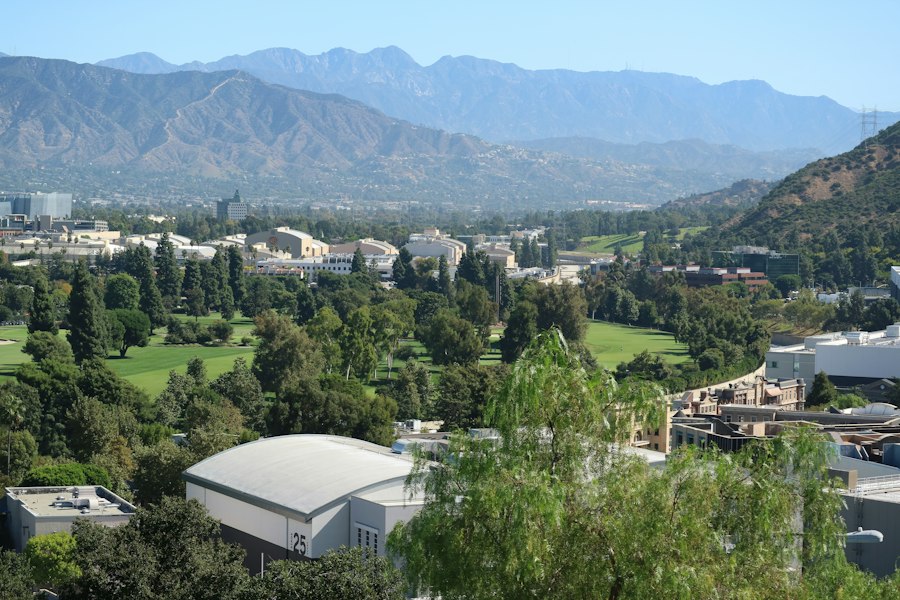
Here’s our breakdown of the top private colleges in California, offering a mix of large research universities, specialized institutions, and liberal arts colleges. This list is designed to give you a solid starting point for your research.
1. Stanford University (Stanford)
Stanford consistently ranks among the top universities globally, and for good reason. Nestled in the heart of Silicon Valley, it offers unparalleled opportunities in engineering, computer science, and entrepreneurship, alongside world-class programs in humanities, sciences, and medicine. The campus culture fosters innovation, critical thinking, and a strong sense of community. Its research output is phenomenal, and students often engage in groundbreaking projects. The alumni network is incredibly powerful, opening doors to various industries.
2. California Institute of Technology (Caltech) (Pasadena)
If you’re looking for an institution solely focused on science and engineering at an incredibly rigorous level, Caltech is your place. With an extremely low student-to-faculty ratio, students work closely with leading researchers, often contributing to significant scientific discoveries. The academic environment is intense, but the intellectual rewards are immense. Caltech produces an astonishing number of Nobel laureates and contributes significantly to global scientific advancement. It’s a specialized powerhouse for the truly dedicated STEM student.
3. University of Southern California (USC) (Los Angeles)
USC is a large, vibrant research university in the heart of Los Angeles with a diverse array of highly-ranked programs spanning film, business, engineering, journalism, and the arts. Its strong alumni network, known as the “Trojan Family,” is incredibly supportive and influential. USC offers a quintessential college experience with spirited athletics, a bustling campus, and countless opportunities for internships and experiential learning in a major metropolitan area. It balances academic rigor with a rich student life.
4. Pomona College (Claremont)
As the founding member of the Claremont Colleges consortium, Pomona College offers a world-class liberal arts education with the resources of a larger university system. Students benefit from small class sizes, close faculty mentorship, and the ability to cross-register for courses at the other four undergraduate Claremont Colleges (Claremont McKenna, Harvey Mudd, Scripps, and Pitzer). Pomona is highly selective and known for its academic intensity, intellectual curiosity, and commitment to social responsibility.
5. Claremont McKenna College (Claremont)
Another gem within the Claremont Colleges, Claremont McKenna (CMC) specializes in leadership, economics, and government. It’s particularly strong for students interested in a career in public policy, business, or international relations. CMC offers a rigorous curriculum with a strong emphasis on critical thinking and communication skills. The Robert Day Sciences Center, shared with Harvey Mudd, provides cutting-edge resources. Like Pomona, its students enjoy the collaborative atmosphere of the consortium.
6. Harvey Mudd College (Claremont)
For those passionate about engineering, science, and mathematics, Harvey Mudd College stands out. It offers a unique liberal arts approach to STEM education, ensuring students develop strong communication and critical thinking skills alongside their technical expertise. The curriculum is demanding but rewarding, with a focus on hands-on projects and collaborative learning. Graduates are highly sought after by top companies and graduate programs, reflecting the quality of their education.
7. Santa Clara University (Santa Clara)
Santa Clara University, a Jesuit institution located in Silicon Valley, offers a strong blend of liberal arts, business, and engineering programs. It emphasizes ethical leadership, social justice, and a well-rounded education. With a beautiful campus and a strong sense of community, Santa Clara provides a supportive environment for intellectual and personal growth. Its location offers excellent internship and career opportunities, particularly in tech and entrepreneurship.
8. Pepperdine University (Malibu)
Perched overlooking the Pacific Ocean, Pepperdine University offers a stunning campus setting along with a rigorous education rooted in Christian values. It’s particularly strong in business, communication, and public policy. Pepperdine fosters a close-knit community and emphasizes a global perspective, with robust study abroad programs. Students here benefit from small classes and a highly engaged faculty, making for a personalized academic experience.
9. Loyola Marymount University (LMU) (Los Angeles)
Loyola Marymount University, another Jesuit institution in Los Angeles, provides a comprehensive education with strong programs in film and television, business, and liberal arts. LMU is known for its beautiful campus, diverse student body, and commitment to service learning and social justice. Its location offers extensive internship and career opportunities in various industries, and the university fosters a vibrant, engaged student community.
10. University of San Diego (USD) (San Diego)
The University of San Diego is a Catholic university offering a wide range of undergraduate and graduate programs. It’s particularly well-regarded for its business, engineering, and nursing programs. USD provides a beautiful campus environment with a strong sense of community and a focus on ethical leadership and global citizenship. Students benefit from a supportive faculty and numerous opportunities for experiential learning, leveraging the dynamic San Diego region.
Choosing Your Best Fit
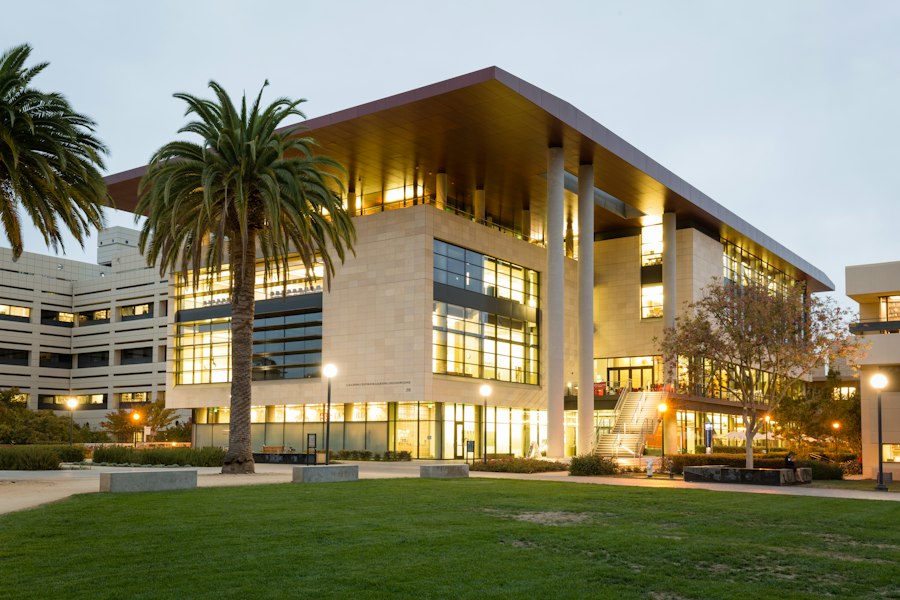
Deciding on a college is a big deal, and it’s not just about rankings. While our list highlights academically strong institutions, the “best” college for you depends heavily on your personal preferences, academic goals, and financial situation.
Beyond the Rankings: What to Consider
Think about the campus culture: do you prefer a large, bustling university or a smaller, more intimate setting? What about location – urban, suburban, or rural? Consider the academic programs that genuinely excite you and whether the college has strong departments in those areas. Look into extracurricular activities, research opportunities, and career services. Don’t underestimate the importance of visiting campuses if you can, or taking virtual tours to get a feel for the environment.
Financial Aid and Affordability
Private colleges, while having higher sticker prices, often offer substantial financial aid packages, including merit-based scholarships and need-based grants. It’s crucial to understand the net cost – what you’ll actually pay after aid – rather than just looking at the tuition. Many private institutions have generous endowments that allow them to meet a significant portion of demonstrated financial need, sometimes making them more affordable than expected. Always fill out the FAFSA and CSS Profile diligently.
Application Strategies and Tips
Applying to highly selective private colleges in California requires careful planning and a strategic approach. It’s more than just grades; it’s about presenting a complete picture of who you are and what you can bring to their community.
Crafting a Standout Application
| College Name | Location | Acceptance Rate | Undergraduate Enrollment | Average SAT Score | Tuition & Fees | Graduation Rate |
|---|---|---|---|---|---|---|
| Stanford University | Stanford, CA | 4% | 7,000 | 1420-1570 | 56,169 | 94% |
| California Institute of Technology (Caltech) | Pasadena, CA | 6% | 1,000 | 1530-1570 | 54,600 | 92% |
| University of Southern California (USC) | Los Angeles, CA | 13% | 19,000 | 1360-1530 | 60,275 | 89% |
| Pomona College | Claremont, CA | 7% | 1,700 | 1410-1570 | 58,700 | 93% |
| Claremont McKenna College | Claremont, CA | 9% | 1,300 | 1400-1560 | 58,000 | 92% |
Your academic record, including GPA and challenging coursework, is obviously important. However, strong standardized test scores (if submitted) are just one piece of the puzzle. Your essays are critical: they’re your chance to tell your story, showcase your personality, and explain why you’re a good fit for a particular institution. Tailor each essay to the specific college, highlighting what attracts you to their programs and community. Demonstrating genuine interest can make a difference.
The Importance of Extracurriculars and Recommendations
Colleges look for students who are engaged and passionate. Meaningful involvement in extracurricular activities – whether sports, clubs, community service, or a part-time job – demonstrates your interests, leadership potential, and commitment. Quality often trumps quantity here. Similarly, strong letters of recommendation from teachers who know you well and can speak to your academic abilities and character can significantly bolster your application. Choose recommenders who can offer specific anecdotes and insights.
If you’re exploring the top private colleges in California, you might find it helpful to read a related article that delves into the unique offerings and experiences at these institutions. For a comprehensive overview, check out this insightful piece on California’s best private colleges, which highlights various programs, campus life, and admission criteria that can help you make an informed decision about your educational journey.
Looking Ahead to Your College Journey
The journey to college is exciting, and choosing a private institution in California opens up a world of opportunities. These colleges are known for their innovation, academic rigor, and often, their commitment to producing graduates who will make a significant impact.
Making the Most of Your Decision
Once you’ve made your decision, remember that college is what you make of it. Be open to new experiences, challenge yourself academically, and actively participate in campus life. These institutions offer incredible resources, from career services to counseling and mentorship programs. Building connections with professors and peers, taking advantage of research opportunities, and exploring different fields of study will enrich your college experience immensely. California’s private colleges provide a fertile ground for intellectual growth and personal development.
FAQs
What are some of the top private colleges in California?
Some of the top private colleges in California include Stanford University, University of Southern California (USC), California Institute of Technology (Caltech), Pepperdine University, and Santa Clara University. These institutions are known for their academic excellence, research opportunities, and vibrant campus life.
What factors should I consider when choosing a private college in California?
When choosing a private college in California, consider factors such as academic programs offered, campus culture, location, tuition costs, financial aid options, faculty-to-student ratio, and extracurricular activities. It’s also important to visit campuses and talk to current students to get a feel for the environment.
Are private colleges in California more expensive than public colleges?
Generally, private colleges in California tend to have higher tuition rates compared to public colleges. However, many private institutions offer substantial financial aid packages, scholarships, and grants that can significantly reduce the overall cost for students.
What is the average class size at California private colleges?
The average class size at California private colleges varies by institution, but many private colleges pride themselves on smaller class sizes, often ranging from 15 to 25 students. This allows for more personalized attention from professors and a more engaging learning environment.
Do California private colleges offer online degree programs?
Yes, many private colleges in California offer online degree programs, especially in response to the growing demand for flexible learning options. Institutions like USC and Pepperdine University provide various online undergraduate and graduate programs across different fields of study.
About the Author